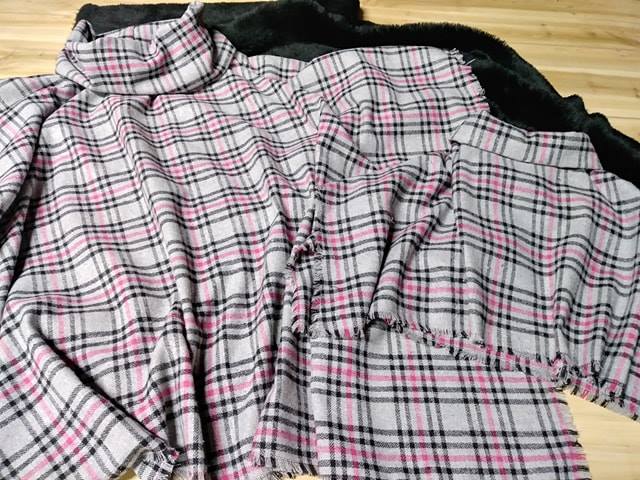
Digital twins for faster, cleaner fabric development
The role of digital twins in fabric design and manufacturing is to create a living representation of a material or production process. By linking geometry, fibre behaviour, colour data, machine settings and batch records, the model lets teams see how a design will perform before committing to the full production run. The useful twin is not a decorative 3D render; it is connected to authoritative data and updated when the physical product changes.
For Australian fabric teams, this can shorten the path from concept to approved sample while reducing expensive physical iterations. It also creates a shared view for designers, dye houses, mills, suppliers and quality teams, even when partners work across cities or time zones. The strongest business case combines faster decisions with better traceability, rather than treating digital modelling as a substitute for skilled textile judgement.
A shared model for design and production
A design-side twin combines CAD or 3D garment geometry with fabric simulation. Engineers can compare drape, stretch, abrasion and compression before cutting patterns, then connect the selected cloth to seams, trims and assembly instructions. This makes the consequences of a material substitution visible early, when changing a yarn or weave is still economical.
A production-side twin follows the same cloth through weaving, dyeing, finishing and inspection. It can display machine conditions, lab results, operator checks and the exact process history behind a roll. Digital twins are often described as virtual representations of physical assets, but for textiles their real value comes from connecting those representations across the entire supply chain.
Building a digital thread that teams can trust
The foundation is a digital thread rather than a single model. A product record should link the original specification to material certificates, CAD files, colour profiles, lab measurements, machine recipes, inspection images and delivery records. Each team can retain specialist tools while a common identifier carries the product’s history between them.
That interoperability requires naming conventions, version control, access rules and agreed tolerances. For communication between designers in Melbourne or Sydney and offshore mills, a Viber desktop download can support quick exchanges of images and production notes, although business-critical data should remain in approved systems. Teams should verify software provenance before installing any executable file and avoid treating chat messages as controlled product data.
Faster sampling and more confident material choices
Virtual sampling lets a designer test colourways, prints and finishing effects without waiting for every option to be physically produced. A calibrated twin can estimate how a knit or woven structure responds to a new yarn, reducing the number of strike-offs and improving communication with suppliers. It does not eliminate the hand-feel and wear testing still required for final approval.
Twin-based comparisons are especially useful when a team must choose between near-identical options. Instead of asking a supplier for another large sample run, engineers can screen candidates against cost, lead time, minimum order quantity and expected performance. Melbourne’s fashion and textile businesses can use those comparisons to protect scarce development budgets, while regional manufacturers gain evidence they can share with buyers.
Colour accuracy from screen to factory
Colour is a frequent source of wasted samples because screens, print workflows and dye houses use different colour systems. The practical overview of colour space differences explains why RGB, CMYK and Lab behave differently and why a value that looks vivid on a display can shift once the cloth is illuminated or printed. A textile twin should record measured values, viewing conditions and the profile used for each conversion.
Accurate colour also depends on fibre, surface texture, illuminant and the limits of the dye process. A useful workflow lets the designer see an approved physical reference beside the simulated swatch, captures spectrophotometer readings, and requires dye-house sign-off under agreed lighting. This produces a traceable decision rather than an apparently perfect image with no manufacturing context.
Production control and predictive maintenance
On the factory floor, sensors can feed loom settings, temperature, pressure, humidity, energy use and downtime into the twin. If a machine begins to drift, the system can compare live readings with the process envelope for that fabric and flag a possible shade band, wrinkle defect or tension fault. Operators still inspect the cloth, but the warnings help them prioritise checks where risk is highest.
Over time, the twin becomes a forecasting layer. Historical data can help estimate maintenance needs, energy consumption and the effect of downtime on a delivery date. These predictions need regular recalibration because new yarns, changed humidity and worn machine parts alter the relationship between inputs and outputs. A model that quietly becomes inaccurate is more dangerous than one with a visible confidence warning.
Traceability and compliance in the Australian market
Batch-level traceability gives Australian brands evidence of where a material came from and how it was processed. A digital twin can preserve supplier records, dye-lot details, test certificates, corrective actions and chain-of-custody events under one product identifier. When a customer asks whether a claim is supported, the team can retrieve the underlying evidence instead of rebuilding the history from email attachments and spreadsheets.
Local conditions shape what teams should capture. Melbourne and Sydney are major centres for fashion labels, designers and contract manufacturers, while Australia also depends heavily on imported textiles and finished garments. Online shoppers expect clear product details, predictable delivery and convenient click-and-collect options, which puts pressure on brands to know exactly what they are selling. Digitising batch passports and approval histories supports those expectations without exposing customer data unnecessarily.
Regulatory discipline matters as much as technical accuracy. The Australian Consumer Law, contained in Schedule 2 of the Competition and Consumer Act 2010, makes misleading claims about fibre content, quality or environmental benefits actionable, and the ACCC scrutinises green claims. Qualifying reporting entities with revenue of at least A$20 million must also publish annual statements under the Modern Slavery Act 2018. A twin can retain evidence for fibre composition, testing and sustainability claims, but it does not guarantee compliance; qualified legal and technical review remains essential.
Pilot a commercially useful digital thread
A pilot should be narrow enough to test a real decision and broad enough to reveal the costs of shared data. Define the business question, select one product family, nominate a data owner and agree on measures such as sample cycles, approval time, defect rate, rework and on-time delivery. A modest 3D visualisation without connected source data may look impressive, yet it will not improve the workflow.
- Choose one high-friction decision, such as approving a colourway, a yarn substitution or the cause of recurring defects.
- Create a minimum product record connecting specifications, physical sample results, production events, test evidence and the responsible approver.
- Connect only the systems needed for that decision, documenting identifiers, access permissions, update frequency and ownership.
- Validate every digital output against physical samples or machine readings, recording tolerances and the date of each physical test.
- Measure the before-and-after workflow, including time, cost, sample volume and defects, then decide whether to expand or stop.
Select one current fabric programme and create a one-page pilot brief this month. Name the designer, supplier lead, factory technician and compliance owner, then schedule the first digital-to-physical validation at the next production meeting. Build the record, test it against the cloth and use the measured result to authorise the next scale-up.