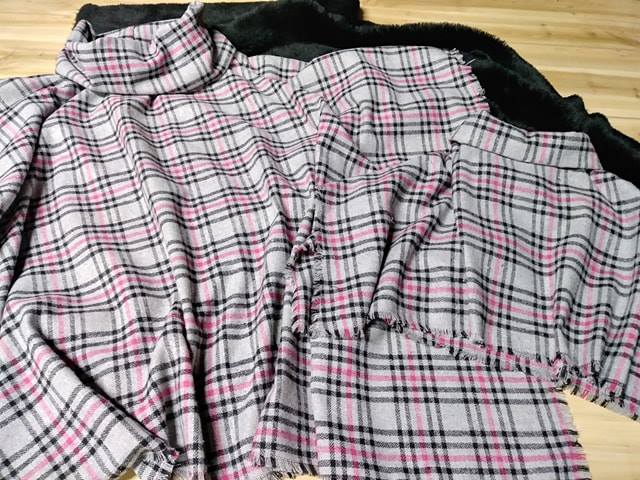
The role of AI in automating fabric pattern generation
Artificial intelligence is changing how textile designers develop prints, repeats and surface artwork. Instead of beginning every concept with a blank screen, a designer can use generative tools to explore colour combinations, motifs, layouts and scale within minutes. The technology supports fabric pattern generation by turning written briefs, sketches, photographs and reference images into editable visual directions.
For Australian fabric businesses, this can make product development more responsive to local tastes and practical conditions. A studio serving Melbourne interiors may need a different visual language from one supplying coastal homes in Sydney or resort properties in Queensland. AI can accelerate that exploration, while human designers remain responsible for cultural awareness, material suitability and the final creative decision.
How AI turns visual ideas into patterns
AI pattern software analyses visual characteristics such as line, colour, texture, symmetry and spatial rhythm. A designer might upload a hand-drawn leaf, describe a muted botanical print or provide several reference colours. The system can then generate variations, including half-drop repeats, mirrored layouts, scattered motifs and larger statement compositions.
The most useful systems support an iterative workflow rather than producing a single finished image. A prompt can be refined to adjust the density of a print, simplify a motif or change the balance between background and foreground. Designers can compare alternatives quickly before selecting a direction for detailed refinement in tools such as Illustrator or specialist textile CAD software.
This process is especially valuable during early concept development. A collection can be tested across florals, geometrics, abstract marks and conversational prints without requiring every option to be manually drawn. AI becomes a rapid visual research assistant, helping a creative team identify promising routes before investing in production-ready artwork.
Inputs that help an AI system design well
Automated results are only as strong as the information supplied to the system. Vague instructions often produce attractive but generic images, while a focused creative brief gives the model useful boundaries. Details about audience, fabric type, repeat size, colour restrictions and intended setting help connect visual experimentation with commercial requirements.
A good brief can also include references to Australian light and landscape. A designer developing upholstery for a Brisbane apartment might request breathable-looking colours and a restrained tropical influence, while a Melbourne collection could suit deeper tones and layered textures. These references provide direction without reducing Australian design to a narrow set of clichés.
Useful inputs for an AI-assisted textile brief include:
- The intended end use, such as apparel, upholstery, curtains or quilting
- Preferred repeat structure, motif scale and usable fabric width
- A defined colour palette, including Pantone or production references
- Images, sketches or material samples that establish visual character
- Customer, season and retail-positioning information
AI can also analyse an existing collection and identify repeated colours, motif categories or scale relationships. This helps a business build a cohesive range rather than a group of unrelated prints. The final judgement still belongs to the design team, because an algorithm may recognise visual similarity without understanding brand history or the emotional effect of a pattern in a room.
Where automation improves textile workflows
Pattern development usually involves repeated technical tasks: cleaning artwork, removing backgrounds, creating colourways, checking repeat edges and preparing files for sampling. AI-assisted tools can shorten these steps by detecting objects, extending textures and generating alternate colour arrangements. A designer can spend less time on repetitive preparation and more time shaping the visual identity of a collection.
Virtual sampling is another important application. A digital pattern can be placed on cushions, shirts, lampshades, curtains or wall panels before fabric is printed. This gives a team a clearer sense of scale and context, reducing the risk of approving a motif that looks appealing in isolation but becomes overwhelming when repeated across a large surface.
The commercial benefit is faster testing. Small Australian studios may not have the resources to produce many physical strike-offs during early development. Digital mock-ups allow them to narrow the range first, then order targeted samples. Budget planning remains essential when investing in software, training or equipment; businesses assessing funding choices may find this debt consolidation guidance useful when reviewing broader financial commitments.
Designing for Australian tastes and conditions
Local context should influence the brief from the beginning. Australian customers often respond to relaxed interiors, natural textures and colours that work with strong daylight. A pattern intended for a sun-filled Sydney terrace may need a different contrast level from one designed for a darker Melbourne apartment. AI can generate these alternatives, but it needs a designer to define the setting accurately.
Climate and use also matter. Fabrics for Queensland or Northern Territory applications may be judged on breathability, colour performance and suitability for casual indoor-outdoor living. A print that looks subtle on a screen could fade, distort or lose definition under intense sunlight if the fabric and ink system are not selected carefully. Generative software can suggest a design, but it cannot replace testing for abrasion, washability, colourfastness or fibre behaviour.
Cultural references require particular care. Australian native plants, coastal forms and desert colours can inspire distinctive collections, yet motifs connected with Aboriginal and Torres Strait Islander communities should never be treated as a freely available visual style. Designers need appropriate permissions, attribution and collaboration where cultural knowledge or artwork is involved. Human oversight is central to responsible pattern development.
Keeping creativity and commercial judgement together
AI is good at producing breadth, but breadth can become noise. Hundreds of variations do not automatically create a strong collection. A creative director must decide which ideas have a clear point of view, which motifs can be manufactured reliably and which colourways are likely to have a place in a real home or wardrobe.
The technology can also reproduce familiar visual conventions. If a model has learned from widely circulated imagery, its outputs may feel polished but predictable. Designers can counter this by introducing original sketches, unusual references, material experiments and clear exclusions in the brief. Their role shifts towards editing, directing and developing a distinctive visual language.
A practical approval process can include several stages: exploratory generation, designer refinement, technical review, digital placement and physical sampling. Each stage answers a different question. The first considers possibility, the second protects originality, the third checks production, and the final stages reveal how the pattern behaves on actual cloth.
Checks before a pattern reaches production
Automation should be paired with a clear quality-control system. Files need to be checked for seamless edges, unintended artefacts, inconsistent line weights and colours that cannot be reproduced by the chosen printing method. A design may appear flawless at high resolution while containing tiny discontinuities that become obvious across a repeating length.
Copyright and licensing also deserve attention. Businesses should record which images, datasets and reference materials informed a project. Terms of use vary between AI platforms, and commercial rights may not be identical across free and paid accounts. A documented workflow helps a business explain how an artwork was developed and identify any material requiring permission.
Before approving a production file, teams should review:
- Repeat accuracy at full fabric width and across multiple joins
- Colour conversion, ink limitations and expected substrate changes
- Motif clarity at both close range and room-scale viewing
- Cultural, copyright and trademark considerations
- Wash, abrasion, lightfastness and care-label requirements
Physical sampling remains important even when the digital preview looks convincing. The weave, handle and absorbency of cotton, linen, silk or synthetic cloth can change the appearance of a print significantly. Australian conditions make this especially relevant for products exposed to strong sunlight, frequent washing or indoor-outdoor use.
What the next generation of tools may deliver
Future systems are likely to connect generative design more closely with production data. A designer may be able to generate a pattern while specifying fabric width, minimum line thickness, repeat limitations, colour count and preferred printing process. The software could flag technical problems during creation instead of waiting for a prepress review.
AI may also help predict demand by comparing pattern directions with sales history, search activity and retailer feedback. This could support smaller, more targeted collections and reduce excess stock. For independent studios, the ability to test several concepts digitally before committing to bulk production may improve cash flow and make limited releases more practical.
The strongest results will come from collaboration between machine speed and human insight. AI can propose, compare, organise and simulate, but it does not possess lived experience of an Australian home, a fabric’s hand feel or the meaning carried by a cultural motif. Designers who use it as a controlled creative instrument can develop patterns faster without surrendering authorship or responsibility.
Bring thoughtful automation into your fabric workflow by defining a clear creative brief, testing generated artwork on real materials and retaining expert review at every important stage. Explore pattern concepts that reflect your market, your production capabilities and your distinctive design voice, then turn the strongest ideas into fabric collections ready for Australian customers.