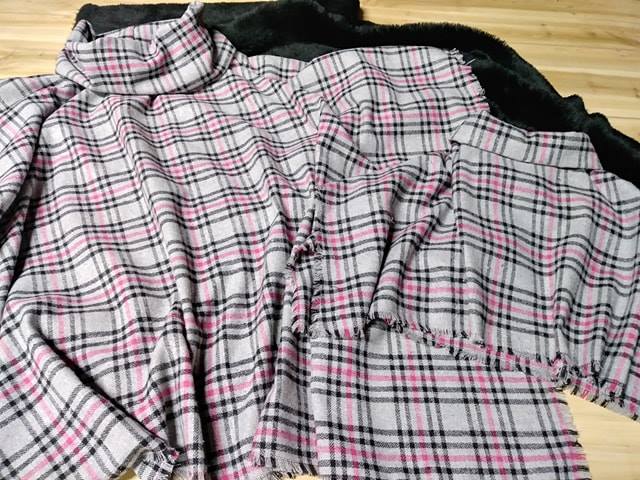
Smart fabrics and wearable technology in Australia
The future of smart fabrics and wearable technology is less about making clothing look futuristic than making its functions disappear into everyday life. Sensors, conductive yarns and miniature processors can turn fabric into a layer that measures movement, temperature, light or physiological signals. The most promising wearables will look like familiar clothing while gathering useful information or delivering feedback through touch, heat or sound.
This shift changes how products are designed. Instead of placing a screen on every wrist, a garment can sense context and respond quietly, prompting a runner to change pace or helping a worker recognise heat strain. Some features need no electronics at all: phase-change materials can moderate temperature, while moisture-management yarns can respond to sweat before data reaches a phone.
Adoption will depend on whether these systems survive real routines. A smart textile must tolerate washing, sun, humidity, friction and repeated charging without becoming unreliable or hazardous. It must also earn trust by explaining what it collects, where that data goes and when recording stops. Good design therefore joins materials science with privacy, service planning and straightforward repair.
Australian conditions make those questions especially concrete. Melbourne’s changeable weather, Brisbane’s humidity, Perth’s strong sun and Darwin’s tropical heat all place different demands on a garment. At the same time, busy consumers in Sydney and Melbourne expect clothing to suit work, exercise and travel rather than serve one narrow purpose. The emerging market is broad, but usefulness and durability must come before novelty.
From passive clothing to responsive systems
Responsive textiles form the practical foundation of wearable clothing. Phase-change materials absorb and release heat, moisture-wicking structures move perspiration away from skin, and shape-memory alloys can alter a fit or opening in response to temperature. These features can improve comfort with little visible electronics, making them well suited to travel, sport and outdoor work.
More advanced fabrics combine conductivity with sensing. A knitted electrode can track posture or breathing, while fibre optics can carry gentle illumination around a garment. Feedback becomes possible when those materials trigger vibration, warmth or light. Background on adaptation and feedback is available through Self-Organising Systems, which offers designers a broader lens for thinking about responsive behaviour.
The next step is material-level computation, using combinations of yarns, printable inks and flexible circuits to recognise patterns and adjust behaviour. That could mean a sleeve that becomes more supportive during movement or a lining that warns of pressure build-up. Engineers still face trade-offs in flexibility, colour consistency, repairability and washability, so each added function must justify its cost and environmental burden.
Sensors, power and the connected wardrobe
Wearable value depends on signals that are accurate enough to matter. Temperature, motion and proximity sensors can support activity tracking without requiring a phone, while strain sensors can monitor joint movement or fabric load. Optical sensing is increasingly attractive because it can estimate heart rate, breathing and hydration at the skin, although sweat, motion and skin tone can affect readings.
Power remains a major constraint. Solar threads, thermoelectric patches and piezoelectric harvesters can extend battery life, but their output varies with movement, sunlight and contact. Designers are combining small energy stores with low-power wireless chips so garments can process simple events locally and transmit only useful summaries. Battery chemistry, thermal management and safe charging must be treated as core textile concerns.
Connectivity should also stay proportionate. A full Bluetooth or cellular module may be unnecessary for a garment that can buzz a warning or record a local trend. Local processing can reduce radio exposure, cloud costs and dependence on an app, but common standards are needed so devices can exchange data responsibly. Clear battery warnings and replaceable modules will matter as much as fashionable sensors.
Designing for Australian everyday life
Australian cities offer strong use cases for unobtrusive wearables. Busy train and tram journeys in Sydney and Melbourne create opportunities for haptic navigation, check-in prompts and personal safety alerts. The garment must be comfortable in crowded spaces and easy to operate without staring at a screen or making a loud alert.
Weather sets another boundary. Brisbane’s humidity, Perth’s sun, Darwin’s tropical conditions and Melbourne’s rapid temperature shifts can all affect electronics, adhesives and fibres. Shoes and sportswear also encounter sweat, sand and frequent washing, while many consumers rotate garments through domestic machines rather than specialist care.
For daily use, product teams should prioritise:
- Washable sensors with adhesives or connections that survive realistic laundry cycles
- Replaceable batteries, standard charging and clear battery-life expectations
- Inclusive sizing, easy fastening and interfaces that work across mobility and vision needs
- Discreet feedback that does not distract drivers, cyclists or crowded passengers
- Simple care labels explaining cleaning, drying, repair and safe disposal
Commercial teams must also test:
- Consent controls, data minimisation and understandable explanations for health-related information
- Evidence supporting comfort, durability and safety claims under Australian consumer law
- Compatibility with common phones, enterprise systems and accessibility tools
- Local repair, charging and recycling options that remain viable after launch
- Supply-chain visibility, repairable construction and recovery of usable fibres
Trust, regulation and Australian market realities
Personal data can reveal movement, routine, health and location, so a smart garment needs governance as carefully as it needs sensors. For many Australian businesses, obligations under the Privacy Act 1988 extend to consent, security and the handling of sensitive health information. Clear permissions, short retention periods and a practical deletion process help consumers understand and control the record.
Marketing language creates legal exposure. The Australian Consumer Law requires businesses to base environmental, performance and safety claims on reasonable evidence. A garment marketed for diagnosis, treatment or clinical monitoring may also trigger medical-device oversight administered by the TGA. Wireless components and lithium batteries introduce further safety, labelling and compliance considerations, making early specialist review valuable.
The local market is broad enough to support different products. Australian fashion and sports brands can sell responsive collections, while aged-care providers, transport operators and employers may value monitoring tools. Mining, agriculture and emergency services in regional and remote areas need rugged systems, long replacement cycles and offline options. Procurement is likely to favour products with measurable uptime and service plans over attention-grabbing demonstrations.
Turning responsible ideas into market-ready clothing
A credible path starts with a specific user problem, not a catalogue of sensors. Teams can prototype a single function, test it against wash cycles and occupational safety requirements, then involve wearers in shaping the interface. Feedback from people who use mobility aids, work outdoors or have varied skin tones is especially important because laboratory averages rarely describe every body.
Manufacturing partnerships should be involved early. Textile factories need repeatable conductivity, compatible trims and inspection methods that fit existing rolls and cutting equipment. Digital colour development can reduce physical samples and rejected material, but it must remain connected to material testing. Teams can document that workflow through automated colour swatches, then verify outputs under real fabric and lighting conditions.
Before release, teams should publish care instructions, expected battery life, repair routes, software-support periods and data practices. A pilot should examine accuracy across body types, daily routines and Australian weather, with a plan for handling faults rather than discarding the whole garment. Independent safety and privacy reviews are prudent when a product affects health, workplace performance or children.
Start with one meaningful Australian use case, make it washable and repairable, establish what the device must never infer, and test the complete system with users before scaling production. That practical discipline can turn advanced fibres into useful, trusted clothing rather than technology that simply demands a new battery.