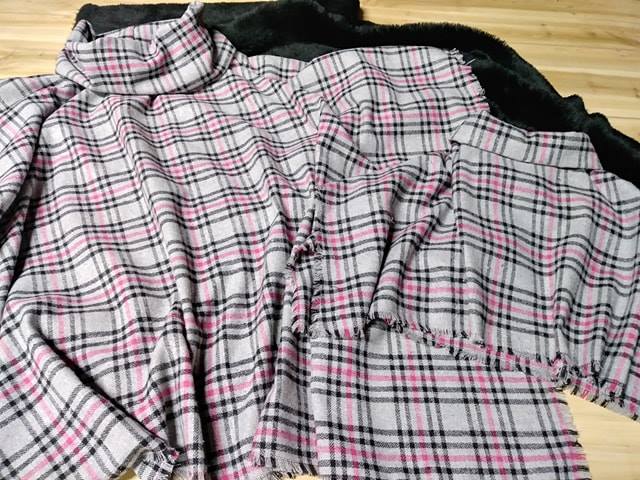
The Ethics of AI-Generated Patterns in Textile Design
Artificial intelligence is changing how textile designers develop repeats, colourways and surface graphics. A designer can enter a written prompt, upload visual references or adjust a generative model, then receive hundreds of pattern variations within minutes. This speed has practical value for fashion labels, interior studios, independent makers and fabric retailers across Australia.
Yet a visually attractive print can carry complex ethical questions. Who created the work? Were the training images used fairly? Could the result imitate a living artist, a traditional cultural design or a recognisable brand? Responsible textile design requires more than judging whether an AI-generated pattern looks original. It requires careful attention to ownership, consent, cultural respect, labour and environmental impact.
Why Ethics Matters In Fabric Design
Textile patterns are commercial assets. A repeat may appear on clothing, bedding, wallpaper, swimwear or craft fabric, meaning that an ethically questionable image can travel through many products and markets. When a generator produces an appealing floral, geometric or illustrative motif, the designer may not know which visual influences shaped the result.
This uncertainty creates risks for both large companies and small studios. A Melbourne label could unknowingly release a print that resembles an independent illustrator’s portfolio, while a Sydney fabric retailer might promote a collection that borrows from a community’s cultural imagery without permission. Speed does not remove the need for research, attribution or clear records.
Ethical practice also protects trust. Australian customers increasingly look for information about how products are made, who designed them and whether cultural references have been handled respectfully. A brand that can explain its creative process is better placed to build lasting relationships than one that treats AI as a mysterious shortcut.
Authorship, Credit And Creative Control
Generative software does not replace creative responsibility. The person who selects the concept, writes and revises prompts, curates outputs, edits the repeat, chooses colours and prepares production files may contribute substantial creative input. Those decisions should be documented, particularly when a pattern will be licensed or sold.
Copyright treatment for AI-assisted work can be complicated, and the legal position may depend on the amount of human creativity involved and the jurisdiction concerned. Designers should avoid assuming that every machine-generated image is automatically protected or automatically free to use. A written record of sketches, prompts, edits and approvals can help demonstrate the human contribution and clarify ownership agreements.
Clear credit is important even where formal copyright protection is uncertain. A studio might state that a design was developed with generative software and then substantially redrawn by its in-house team. Clients should also know whether they are receiving exclusive rights, a limited licence or a pattern that may be offered to other buyers.
Basic digital literacy supports these decisions. Designers and students can use resources such as online cyber education to strengthen their understanding of privacy, data handling and platform terms. Those skills matter when uploading reference images, client artwork or unpublished collections to an external AI service.
Training Data And Cultural Respect
Most generative systems are trained on very large collections of images, and users may have little visibility into the source material. Some images may have been collected from websites without individual artists’ permission. A designer who uses a prompt such as “in the style of” a living Australian illustrator risks producing an imitation that benefits from another person’s established visual identity.
A more responsible approach is to describe formal qualities rather than name a working artist. Designers can specify scale, rhythm, line weight, colour temperature, texture and composition, then develop the result through their own drawings and editing. They should also check the terms of the chosen platform, including commercial-use restrictions, data retention policies and whether uploaded material may be used for further training.
Cultural material demands additional care. Aboriginal and Torres Strait Islander designs are connected to Country, community, stories and responsibilities that cannot be reduced to decorative motifs. A generic prompt involving sacred symbols, dot painting or a named language group may produce imagery that is inappropriate or misleading. Consultation, permission and fair payment are essential where cultural knowledge informs a commercial pattern.
Australian businesses can seek guidance from Indigenous artists, organisations and cultural protocols rather than treating online images as a free visual library. A design inspired by local landscapes should also avoid claiming cultural authority it does not possess. Respectful collaboration may take longer, but it creates a stronger foundation than borrowing recognisable elements without consent.
Transparency, Quality And Consumer Trust
AI-generated artwork can contain errors that are easy to miss on a screen. Repeated motifs may have broken symmetry, inconsistent outlines, distorted botanical details or tiny artefacts that become obvious when printed at scale. Fabric production introduces further variables, including colour shifts, weave structure, registration tolerances and the difference between a monitor and a physical sample.
Human review is therefore a quality and ethical obligation. A designer should inspect a tiled repeat, order strike-offs where practical and assess the design under realistic lighting. Australian conditions make this especially relevant for outdoor textiles and swimwear, where intense sunlight, saltwater, sunscreen and repeated washing can affect colour and performance.
Transparency does not require a dramatic disclaimer on every product page, but material information should be available when it affects a buyer’s decision. A wholesale customer may need to know whether a pattern is exclusive, whether it contains licensed imagery and who is responsible for final artwork. Internal teams should also know which elements came from generative tools so that later revisions do not create hidden disputes.
Creative teams can learn from other fields where explaining decisions is part of responsible practice. Even a discussion of short-stack poker strategy illustrates the value of understanding constraints before acting. In textile work, constraints include the source of references, the intended market, production limits and the rights attached to every visual element.
Environmental And Labour Considerations
AI systems require substantial computing power, and image generation consumes energy through data centres, hardware and repeated processing. The environmental cost of one prompt may be difficult to measure, but large-scale experimentation can multiply it quickly. Generating thousands of disposable variations is hard to justify when a smaller, more directed process would meet the same design brief.
Textile ethics also extends beyond the digital tool. A pattern may be generated in seconds, yet the finished product can involve printers, dyers, machinists, packers, couriers and retail workers. If automation is used to reduce fees paid to illustrators or designers while companies retain all commercial benefits, the process can deepen existing inequities in the creative economy.
Australian studios can adopt a proportionate workflow: develop a strong visual brief, generate a limited range of options, retain promising directions and complete substantial refinement by hand. They can also choose suppliers that disclose fibre content, dyes, wastewater practices and production conditions. Ethical AI use cannot compensate for exploitative manufacturing or excessive overproduction.
Responsible Decisions For Textile Studios
A practical policy can make ethical choices easier during busy collection development. The following measures provide a useful starting point:
- Record prompts, source references, edits, approvals and the final human contribution for each commercial pattern.
- Avoid prompts that imitate living artists, protected brands or identifiable cultural designs without permission.
- Review the commercial licence, privacy terms and training policies of every generative platform used.
- Test repeats through physical samples and inspect them for artefacts, colour problems and production failures.
- Disclose meaningful AI assistance to clients, collaborators and buyers when it affects ownership or licensing.
- Limit unnecessary generations and balance digital experimentation with durable, well-planned product development.
These steps should be adapted to the size of the business. An independent maker in Hobart may keep a simple project folder, while a national retailer may need formal approvals and legal review. The objective is the same: preserve human judgement, respect other creators and make the origin of a pattern traceable.
Ethical standards should be written into contracts with freelancers, manufacturers and clients. Agreements can specify who owns edited artwork, who checks cultural permissions, who carries responsibility for infringement claims and whether a supplier may reuse prompts or outputs. Clear terms reduce confusion when an AI-assisted print becomes commercially successful.
AI can be a useful design instrument when it expands exploration without concealing sources, weakening creative labour or flattening cultural meaning. Australian textile businesses that combine experimentation with consent, documentation and skilled human editing can create patterns that are commercially distinctive and ethically defensible. Review your current design workflow, identify where ownership or cultural questions are unclear, and establish a written process before the next AI-assisted collection reaches production.