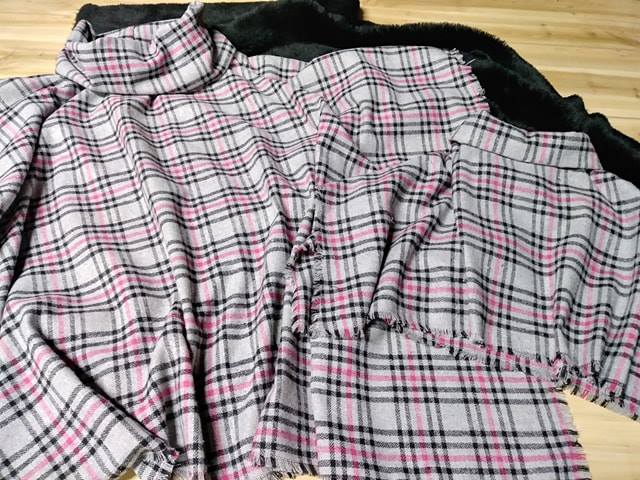
Building a Digital Library for Your Fabric Patterns That Lasts
For many makers, designers, and small studio owners around Sydney and Melbourne, the fabric cupboard has become a quiet archive of half-forgotten rolls, swatches, and off-cuts. Some materials live in plastic tubs under the house, others are tucked into folders beside the sewing machine, and a few favourites have followed you from share-house to share-house since you first picked up a pair of shears. Turning that tangled stash into a digital library of fabric patterns is less about replacing the physical collection and more about giving every bolt, scrap, and screen-printed sample a clear, permanent identity.
A well-organised textile archive lets you find a specific print in seconds, quote accurately for clients in Perth or Brisbane, and protect the work of independent designers whose patterns you love. It also helps you think more clearly about colour stories, seasonal ranges, and licensing decisions without leaving the desk. The process takes a little patience at the start, but once the system is in place, every new roll of linen or metre of merino slips into place with minimal effort.
Across the following sections, you will find a practical approach to setting up your own pattern archive, from choosing software and naming conventions through to photography, backup, and sharing with collaborators in Adelaide, Hobart, or anywhere else the work takes you.
Choosing a Platform That Suits a Small Australian Workshop
Before a single swatch is scanned, it helps to decide where the library will actually live. Many home-based designers in Brisbane and Fremantle begin with cloud folders in Google Drive or Dropbox because the setup is already familiar and the monthly cost fits comfortably alongside a Bunnings sausage-sizzle budget. That approach works for early collections, but the search tools inside generic drives are limited, and you quickly lose the ability to filter by fibre content, weight, or supplier.
Dedicated textile and surface-pattern software tends to offer better metadata fields, visual previews, and batch-editing features. Adobe Bridge, Capture One, and Affinity Photo all handle large image libraries well, while platforms like Evernote or Notion are useful for pairing photographs with notes about drape, opacity, and wear. Whichever route you take, the platform needs to support high-resolution images, custom tags, and easy export, because a digital collection often grows from a few dozen files into several thousand within a couple of years.
Local storage still matters, particularly for designers who travel between regional studios in places like Byron Bay or Launceston. A simple external SSD mirrored to a cloud service gives you the resilience of both worlds. The Australian Privacy Principles under the Privacy Act 1988 also apply if you ever store photographs of commissioned work on behalf of clients, so choose a provider with servers located in jurisdictions that respect those requirements.
Naming Files and Tagging the Collection
A file called IMG_0467_FINAL_v3.jpg tells you almost nothing useful when you are hunting for a particular botanical print at midnight before a client presentation. Consistent naming turns a pile of images into a searchable textile record. A simple system based on supplier, fibre, print name, and year works well for many local studios. Something like spotted-hare_textile_merino-eucalyptus_2024 is readable, sortable, and easy to extend.
Tags add a second layer of meaning. Think about the ways you actually search for fabrics: by colour family, by garment type, by season, by supplier, or by minimum order quantity. In a Melbourne design room you might tag everything with the postcode of the studio, the intended market, and whether the print is exclusive to your brand or licensed to another maker. Including tags for Aboriginal and Torres Strait Islander collaboration status is also good practice, particularly when working with artists whose cultural知识产权 must be respected.
The trick is restraint. It is tempting to create dozens of tag categories in the first week, only to abandon them by the second month. Start with a small, sensible set, train yourself to apply them every time, and let the vocabulary grow naturally as the collection expands. A spreadsheet that lists every approved tag prevents drift and keeps collaborators in other cities aligned with your decisions.
Photographing Swatches and Finished Pieces
Even the most carefully named file is only useful if the image shows the fabric accurately. Natural light near a north-facing window in Adelaide or Hobart during the morning hours tends to reveal colour with less warmth than overhead bulbs, which can cast a yellow tint that throws off online sales listings. Lay each swatch flat, smooth out wrinkles with a soft brush, and include a colour card or neutral grey reference beside the sample so future-you can calibrate the image later.
Resolution matters, but not in the way many makers assume. A 2 megapixel image is plenty for catalog browsing, while a 20 megapixel file is closer to what printers and licensors expect when they want to inspect weave and print detail. Saving two versions per swatch, a small preview for screens and a high-resolution master for archive, keeps the library responsive without eating up storage. Keep camera settings consistent across the whole collection so colours match from one shoot to the next.
For finished pieces such as cushions, dresses, or quilts, photograph against a plain background and capture at least one close-up of the seam, hem, or print repeat. Australian customers shopping on platforms like Etsy or your own Shopify store often want to see scale, drape, and stitching detail before committing, and these reference shots double as marketing material. When working with Indigenous collaborators, ensure consent forms are stored alongside the imagery so the cultural context travels with the work.
Backing Up and Securing the Archive
A digital library is not really safe until it lives in more than one place. The classic 3-2-1 rule still applies: three copies of every important file, on two different kinds of media, with one stored offsite. For a Brisbane-based pattern maker that might mean the original files on a studio desktop, a backup on an external SSD kept in a different room, and a mirrored copy in a cloud service such as Backblaze or iDrive.
Encryption adds another layer of protection, particularly if the archive includes commissioned designs, licensed prints, or sensitive client work. Tools like VeraCrypt or built-in operating system encryption make it harder for a stolen laptop to become a stolen collection. Australian Consumer Law requires that designers of any digital download sold to local customers receive what was promised, so keeping your master files intact and recoverable is part of meeting that standard.
Version control is also worth a mention. As patterns are reworked, recoloured, or rescanned, the old versions tend to disappear. Saving each revision with a date stamp and brief change note means a client who loved the original 2022 version of a print can still find it years later. It also gives you evidence of creative development if a licensing dispute ever arises.
Growing, Sharing and Licensing the Library
Once the system runs smoothly, the next question is what to do with it. Some Australian designers keep the archive entirely private as a working reference. Many more choose to share portions with wholesale partners, stockists in Perth and Darwin, or international agents. A clean, well-tagged library makes it easy to send curated folders to a buyer in Singapore or New York without exposing unreleased work.
Licensing becomes a natural conversation once the collection is documented. Standard Australian contracts usually refer to the Australian Consumer Law and the Copyright Act 1968, both of which assume that the licensor can prove ownership and provenance. A digital library with metadata, dates, and clear file names makes those proofs straightforward to assemble.
The library itself can also become a product. Curated mood boards, exclusive swatch packs, and printable reference cards appeal to students in Melbourne fashion programs, hobby sewers in regional Queensland, and interior designers sourcing Australian-made textiles. Charging for access or selling subscription access is treated as a taxable supply under Australian GST rules when your turnover exceeds the registration threshold, so it pays to keep pricing records tidy from day one.
Practical Habits That Keep the Library Healthy
- Schedule a 30-minute tidy at the start of each month to tag new arrivals and remove duplicates before the backlog grows.
- Photograph every new swatch the same day it arrives so the metadata stays fresh in your memory.
- Keep a printed legend of approved tags beside the scanner or camera station to prevent drift.
- Run a backup verification check every quarter to confirm that offsite copies are actually restoring.
- Review the file-naming system once a year and adjust it before small annoyances become big habits.
- Store consent forms and licences in the same folder as the related imagery so provenance travels with the work.
Bring your fabric collection into focus with a digital library that reflects the care you already put into the cloth. Start with one shelf, one tag set, and one good photograph, then let the system grow alongside the work. When you are ready to refine the workflow or explore licensing templates tailored to Australian designers, reach out to the studio for a conversation about the next stage of your pattern archive.