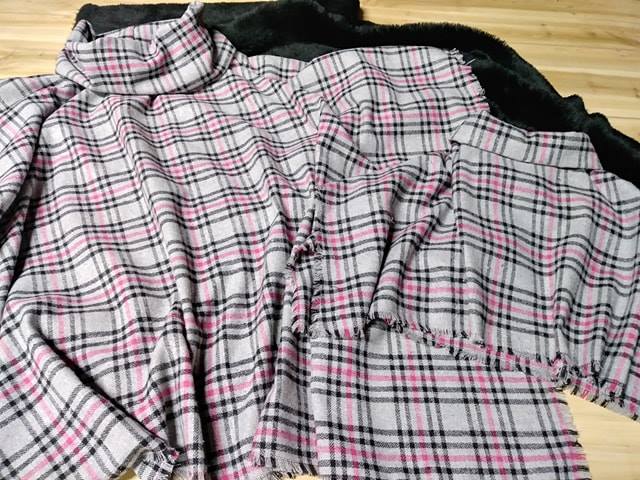
Measuring Fabric Weight and Texture with Digital Precision
For Australian makers and textile studios, the difference between a garment that drapes beautifully and one that falls flat can come down to a few grams of weight. Whether you are sourcing bolts at the Brisbane Markets or drafting collections in a Brunswick atelier, knowing the precise weight and tactile behaviour of your cloth shapes every decision on the bench. In an industry where traditions run deep, the instruments used to verify those decisions are quietly shifting from hand feel and simple scales toward connected tools that talk to each other.
Across the country, independent labels in Sydney and Melbourne are weighing up digital upgrades for their sampling rooms, while larger manufacturers in Adelaide and Geelong embed sensors directly into cutting tables. The shift is about more than accuracy; it is about repeatability between shifts, between staff, and between orders bound for different climate zones. Digital instruments turn an experienced hand into a reproducible data point that can be logged, shared and audited long after the original sample has gone.
Why Australian studios are moving from hand feel to digital reading
When a textile buyer at Sydney's Queen Victoria Building presses a swatch between two fingers, they feel how a fabric responds to movement and pressure in a way no instrument fully replicates. The gap appears when that judgement has to travel — when an offshore supplier confirms a delivery against a sample swatched in Perth, or when a pattern maker in Hobart recalculates yardage from the GSM of the cloth in front of them.
Digital measurement turns impressions into numbers. A GSM cutter paired with a precision scale records weight per square metre to within a fraction of a gram. A digital thickness gauge reports millimetres of compressed fabric. A surface profilometer traces peaks and valleys across a swatch, producing a numerical profile. Together they offer something intuition alone cannot: a record that survives the conversation.
The other driver is the rise of e-commerce and made-to-order production. Local labels at the Melbourne Fashion Festival increasingly offer swatches by post, and that model only scales when fabric specifications live in a database. The same data set feeds pattern software, inventory systems and quality control reports, so one measurement supports several departments.
How modern measurement methods compare
Studios reach for different combinations of instruments depending on what they need to verify. The summary below covers four common categories in use across Australian textile workshops today.
| Tool type | What it measures | Typical reading range | Best suited to | Approximate price band (AUD) |
|---|---|---|---|---|
| GSM cutter and digital scale | Weight per square metre | 30–800 GSM | Woven apparel, quilting cotton | $300–$900 |
| Digital thickness gauge | Compressed thickness | 0.1–10 mm | Knits, felt, technical fabrics | $400–$1,200 |
| Surface profilometer | Peak-to-valley variation | Micron resolution | Velvet, suede, brushed weaves | $1,500–$6,000 |
| Camera-based texture scanner | Visual weave pattern, fibre density | Pixel-based image | Jacquard, printed fabrics | $2,000–$8,000 |
Price bands reflect mid-2024 retail through local suppliers. A small studio in Fitzroy or Surry Hills typically starts with a GSM cutter and scale, while larger operations across regional Queensland often add a thickness gauge to validate foam-backed and laminated materials where compression behaviour matters as much as raw weight.
Capturing fabric weight without the guesswork
GSM, or grams per square metre, remains the lingua franca of textile specification. Australian importers quote GSM on every datasheet because the country's product safety rules for bedding and soft furnishings are built around that number. A curtain rated as a sheer 90 GSM may not pass labelling if it is actually 130, and an undersold quilt cover invites returns.
A digital GSM cutter drops a swatch of exactly 100 square centimetres through a circular blade, paired with a 0.01 g scale. The full GSM reading is finished in under a minute. Recent models connect over Bluetooth to a phone app, logging weight and timestamp automatically. Inline systems ride along the cutting table for bulk rolls, reporting weight per metre as fabric feeds through.
The accuracy gain over older spring scales is significant, especially in the low-weight ranges used for silk linings and chiffon. Digital records pay off once several staff need to look up the same data. Where import paperwork demands a GSM declaration for customs clearance, a stored record also responds faster than pulling a swatch from the original roll.
Reading weave and surface with vision and profilometry
Texture is harder to quantify than weight, and that is where scanning instruments earn their keep. A surface profilometer drags a fine stylus across a small fabric patch, mapping peaks and troughs hundreds of times per second. Software derives roughness values, fibre alignment and predictions about how a fabric will catch light. Velvet from a Brisbane supplier can be checked for pile density before panels are cut, with the recorded profile travelling with the order as proof of grade.
Camera-based systems take a different route, capturing high-resolution images and using AI models trained on thousands of fabrics to identify weave structure, yarn count and defects. The visual approach suits printed textiles where stylus tools would damage the pattern. Run analysis on a small on-site server and makers no longer wait minutes during busy production days in Sydney and Melbourne showrooms.
Where randomness and verification matter — whether testing a textile for defects or auditing a digital sample for bias — the rigour of measurement carries the same weight as in any field demanding trustworthy sampling. The piece on RNG verification in the Aurora Design Fabrics journal explores those checks elsewhere in a way that resonates with fabric QA, and a sampling routine that resists bias in one industry often holds up under scrutiny in another.
Building a connected measuring workflow that suits your studio
Once weights, thicknesses and surface maps travel as live data streams, the conversation shifts from individual tools to the room they sit in. Australian workshops experimenting with Industry 4.0 concepts wire sensors into cutting tables so offcut proportions, stretch behaviour and roll inventory feed a shared dashboard. A pattern maker in Marrickville checks current GSM stock on screen, while a production manager in Geelong reviews the same numbers from a tablet on the floor.
Connectivity also aids training. New staff inherit the instrument readings of their predecessors, so a senior maker's eye becomes a stored dataset. This eases onboarding of casuals during peak season — a recurring headache for Sydney swimwear makers and Melbourne wintercoat ateliers. The deeper shift, where cloud-style processing reaches the workshop bench, is sketched in the edge computing overview at weweat, which explains why latency matters even for fabric QC.
Practical recommendations for building a setup that grows with the studio:
- For a single-designer studio cutting woven apparel, a Bluetooth-enabled GSM cutter and 0.01 g scale covers most routine checks without taking up bench space.
- Makers working with knit, fleece or laminated fabrics recoup the cost of a digital thickness gauge quickly by removing disputes about loft.
- Operations handling velvet, brushed cotton or pile-rich textiles gain documentation from a surface profilometer that squeezing cannot match, useful when clients request certifications.
- Studios printing or photographing fabrics benefit from a camera-based texture scanner paired with a reference card for repeatable catalogue images.
- Workshops supplying government, healthcare or uniform contracts should look for instruments that export to CSV or PDF in auditor-friendly formats.
Working in Townsville or Ballarat often means longer repair turnaround, which makes warranty terms and Australian-based support worth a small premium over parallel imports. Studio climate also shifts scale readings, so place the testing bench away from open loading docks where humidity swings from humid summers to dry winters can skew a delicate measurement.
Try one new instrument this month and log its readings against your usual hand-feel judgements. Share the numbers with a colleague and watch the gap between feeling and proof close a little more every week. The right digital tool, chosen for how you actually work, turns fabric from a material you trust into one you can demonstrate.